

Table of Contents
- What is Engine Flushing?
- Enhanced Engine Performance
- Prevention of Engine Damage
- Extended Engine Life
- Improved Fuel Efficiency
- Environmental Benefits
- How Often Should You Flush Your Engine?
What is Engine Flushing?
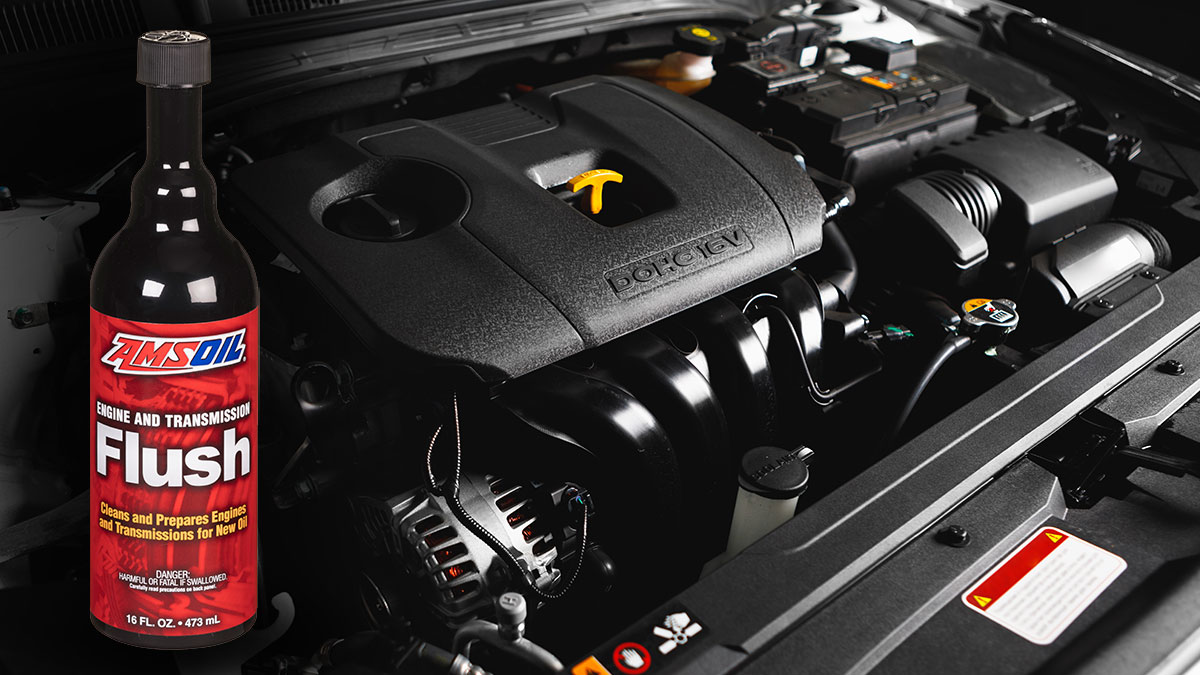
Engine flushing cleans an engine’s internal parts using a specialized chemical solution. It helps remove sludge, dirt, and other contaminants that accumulate over time. Proper engine flushing is an essential maintenance that significantly improves your vehicle’s performance and longevity.
Ignoring engine flushing can accumulate dangerous deposits that can damage and impair your car’s performance. These impurities have the potential to clog important engine components over time, resulting in reduced performance and higher fuel consumption. Knowing the benefits of doing this can help guarantee that your engine stays at its best and runs smoothly and effectively for many years.
Enhanced Engine Performance
A clean engine performs better. Removing built-up sludge and grime can significantly improve engine responsiveness and overall performance. This clean slate allows the engine to function as it was designed, without the interference of contaminants that can hinder performance.
Regular maintenance, including engine flushing, can significantly extend the life of a car’s engine. Eliminating the gunk that slows down your engine can give you a smoother and more powerful drive. Removing contaminants ensures that your engine components work harmoniously, providing more torque and horsepower and a better driving experience.
Prevention of Engine Damage
Contaminants inside the engine can cause severe damage if left unchecked. Engine flushing helps prevent corrosion and wear, ultimately saving you from costly repairs in the future. Over time, particles and sludge can clog oil passages and lead to overheating or complete engine failure.
By opting for regular engine flushing, you mitigate these risks. Keeping the internal parts of the engine clean ensures that oil can circulate freely, lubricating components effectively and sustaining your engine’s health. An engine free from contaminants is less likely to encounter unexpected breakdowns, reducing the stress and inconvenience associated with vehicle downtime.
Extended Engine Life
Routine engine flushing can extend the overall lifespan of your vehicle’s engine. Consistently removing harmful deposits keeps your engine running smoothly for extended periods. This practice reduces the strain on engine components and helps maintain operational efficiency over its lifetime.
Investing in engine flushing is like giving your engine a fresh start, allowing it to run almost as efficiently as when it was new. This translates into fewer breakdowns and a longer-lasting vehicle, ensuring you get more miles out of your investment. Regular maintenance, such as engine flushing, can fortify the engine against wear and tear, adding years to its functional life.
Improved Fuel Efficiency
Cleaner engines run more efficiently. By removing sludge and dirt, an engine can burn fuel more effectively, resulting in better fuel economy. When your engine is free from obstructions, it requires less energy to perform, saving on fuel costs in the long run.
Edmunds’ report highlights tips for improving gas mileage, including proper engine maintenance. Regularly flushing your engine should be part of your strategy to keep fuel consumption in check. An engine operating at peak efficiency uses fuel more sparingly, allowing you to go further on every gas tank.
Environmental Benefits
Fewer pollutants are released by an engine that is kept up. By guaranteeing that your car operates more effectively and cleanly, routine engine cleaning helps to create a cleaner environment. You may reduce your carbon footprint by reducing your car’s hazardous emissions.
Environmental sustainability is becoming a more crucial factor for car owners. One way to contribute to environmental protection is to regularly flush your engine to keep it operating at peak performance. Reduced emissions of toxic gases like nitrogen oxides and carbon monoxide from clean engines improve community health and air quality.
How Often Should You Flush Your Engine?
The frequency of engine flushing may vary depending on the type of vehicle and how it is operated. Generally speaking, the engine should be flushed every 30,000 to 50,000 miles or as instructed by the manufacturer. For detailed advice, see your car’s handbook or a reliable mechanic.
By following these recommendations, you can maintain optimal engine longevity and efficiency, guaranteeing that your car will function flawlessly and be dependable for many years. Adhering to the recommended maintenance schedule can help you maintain your automobile at its best and protect your investment.
