

Introduction
Gas Tungsten Arc Welding (GTAW), commonly referred to as TIG welding, is known for its capacity to produce clean, precise, and often beautiful welds on a diverse assortment of metals. This is based on the ability of the welding equipment to perform consistently at or near the ideal state. Though the tungsten electrode and the inert gas used for shielding—usually either argon or helium—are the most obvious components of a GTAW setup, it’s important not to overlook the TIG filler wire. This too must be selected and manipulated with care if one is to achieve consistently satisfactory welds. Despite its seeming straightforwardness—after all, you’re just feeding it into the arc between the electrode and the work—filler wire selection and technique can be mighty tricky to the neophyte or even the seasoned but untrained TIG welder. It is the purpose of this article to help make you less tricksy when it comes to the choice and use of this critical TIG equipment component.
What is TIG Filler Wire?
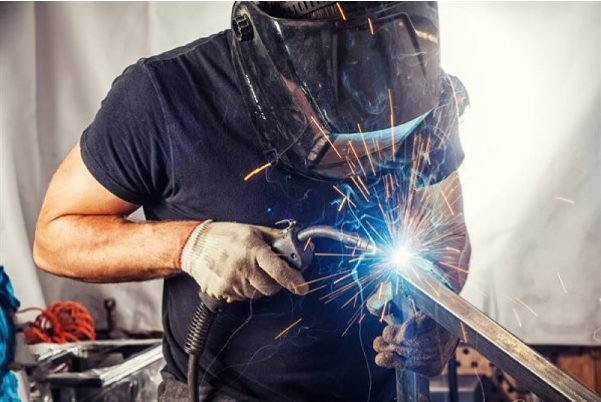
TIG filler wire is a metal rod used during TIG (tungsten inert gas) welding. It is manually fed into the weld pool and melts along with the base metal. Fusing the two pieces together, it constitutes the “filler” in gas tungsten arc welding. The rod is intermittently added to the weld by the welder, who uses a manual technique to steadily deposit the rod and control the heat.
What Are the Benefits of Using TIG Filler Wire?
TIG applications often demand filler wire to fill the joint’s cross section properly. Without the addition of this material, the integrity and strength of the weld might be compromised. The filler wire’s chemical and mechanical composition help ensure the weld achieves the required appearance, joint efficiency, and service life. In some cases, the base metal isn’t strong enough and must be strengthened by the selection of a proper filler wire. The addition of any filler wire changes the composition of the resulting weld. Still, it can also improve the quality and appearance of the weld strength.
Types of TIG Filler Wire
- TIG filler wire is available in a wide range of constituents, all specially formulated for particular base metals and types of work. The following are some common types:
- Steel is used for welding mild, carbon, and low-alloy steel. Stainless steel is used for welding numerous grades of stainless steel. It provides good corrosion resistance. Aluminum is excellent for welding aluminum alloys. It is a lightweight material with very good thermal conductivity. Copper is used for welding copper and copper alloys. It is valued for both its thermal and electrical conductivity. And lastly, nickel alloys are used for welding nickel-based alloys that have outstanding high-temperature and corrosion resistance.
Picking the Perfect TIG Filler Wire
Choosing the correct TIG filler wire is crucial for welding. Many factors pinpoint the exact wire for a particular metal TIG weld. Welding specialists are intimately familiar with these factors. They know it is important to get a color match between a stick of filler wire and the base metal. Technically, the term “color match” refers to getting the chemical composition of the base metal to match that of the filler wire. To achieve good mechanical properties (i.e., strength, ductility, and corrosion resistance) in a weld, it is important to get a good color match between wire and base metal.
How can you succeed
- and what does that success look like? Filler metal is a key part of the gas tungsten arc welding process. You have to add the right amount of it at the right time to make the joint work. Here are some important things to keep in mind as you go through this chapter. I’ll also try to sprinkle in a few tips to keep you moving in the right direction.
- Keep your Arc Length and Travel Speed Consistent
- Your arc length and your travel speed set the amount of heat being generated for the joint. If these things start changing, so does the heat, and that usually isn’t a good thing.
- For hand-fed welds, hold the filler in the hand that is opposite your primary hand, and feed it with your thumb.
- You can pause the arc and use the same technique to add filler metal. Remember, though, that stopping the arc count shouldn’t be too long unless you are running a very long joint.
Conclusion
TIG welding often gives the impression that the filler wire is not important. Still, it is an essential part of the entire welding process. One might think that the TIG torch and its settings, or even the base metal being joined, are more critical than the filler wire. However, the filler wire is a very important choice; it establishes the composition, strength, and, believe it or not, the appearance of the finished weld.
Using the right filler wire for your application is a must. So is using it with the right hand movements or feeding actions.
Find more information about welding wire and welding techniques at UDO website – https://www.udo.co.th/
