

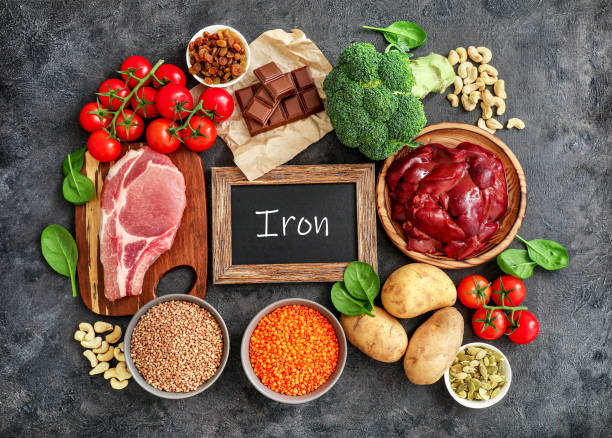
Iron is a critical mineral that plays a vital role in numerous bodily functions, including oxygen transport, energy production, and immune support. As an essential component of hemoglobin, iron is crucial for the proper functioning of red blood cells, allowing them to carry oxygen from the lungs to the rest of the body. Without adequate iron intake, the body cannot produce enough healthy red blood cells, leading to iron deficiency anemia and a range of health issues. Understanding how iron works within the body and the differences between heme and non-heme iron is essential for developing effective dietary strategies that support optimal health.
Iron’s Function in the Body: Beyond Oxygen Transport
Iron is perhaps best known for its role in oxygen transport, but its importance extends far beyond this function. Iron is a key component of hemoglobin, the protein in red blood cells responsible for binding and transporting oxygen. Each hemoglobin molecule contains four iron atoms that attach to oxygen in the lungs, allowing the oxygen to be distributed throughout the body. This oxygen delivery is crucial for all cellular functions, including energy production in muscles, brain activity, and overall metabolic processes.
In addition to its role in hemoglobin, iron is also found in myoglobin, a protein that provides oxygen to muscles, especially during physical activity. Myoglobin helps store oxygen in muscle tissues and releases it when needed, particularly during periods of intense exertion. This function is vital for athletes and individuals who engage in regular physical activity, as it directly impacts endurance and performance.
Iron is also essential for various enzymatic processes in the body. Many enzymes require iron as a cofactor to facilitate biochemical reactions, including those involved in DNA synthesis, energy production, and detoxification. Iron-containing enzymes, such as cytochromes, play a critical role in the electron transport chain within mitochondria, driving the production of adenosine triphosphate (ATP), the primary energy currency of cells. This highlights iron’s significance not only in oxygen transport but also in maintaining cellular energy balance.
Furthermore, iron plays a role in immune function, as it supports the growth and differentiation of immune cells, helping the body defend against infections. Adequate iron levels are crucial for a healthy immune response, while iron deficiency can impair immune function, making the body more susceptible to infections. This connection underscores the importance of maintaining sufficient iron intake, particularly in vulnerable populations such as children, pregnant women, and the elderly.
The Importance of Dietary Iron Intake
Iron is an essential nutrient, meaning it must be obtained from the diet because the body cannot produce it on its own. The recommended daily intake of iron varies depending on age, sex, and life stage, with higher requirements for women of reproductive age due to menstrual blood loss and for pregnant women due to increased iron demands for fetal development. Common dietary sources of iron include red meat, poultry, fish, legumes, leafy green vegetables, and fortified cereals.
Iron deficiency is the most widespread nutritional deficiency worldwide and a leading cause of anemia, characterized by fatigue, weakness, and impaired cognitive function. This deficiency can significantly affect daily life, reducing work capacity, impairing concentration, and diminishing overall quality of life. Addressing iron deficiency through dietary changes and supplementation when necessary is essential for maintaining health and well-being.
While iron supplementation is often used to address deficiency, it is not without challenges. Iron supplements can cause gastrointestinal side effects such as constipation, nausea, and abdominal discomfort. Therefore, focusing on dietary sources of iron and enhancing iron absorption through nutritional strategies is often preferred. For instance, consuming vitamin C-rich foods alongside iron-containing meals can enhance iron absorption, making the iron more bioavailable to the body.
Heme vs. Non-Heme Iron: Understanding the Differences
The distinction between heme vs non-heme iron is crucial for understanding how the body absorbs and utilizes dietary iron. Heme iron, which is found in animal-based foods like red meat, poultry, and fish, is more readily absorbed by the body. This is because heme iron is part of the hemoglobin and myoglobin proteins, allowing it to be absorbed intact through a specific transport mechanism in the gut.
Non-heme iron, found in plant-based foods such as beans, lentils, spinach, and fortified cereals, has a different absorption pathway and is less efficiently absorbed by the body. Factors such as phytates, polyphenols, and calcium can inhibit non-heme iron absorption, making it more challenging to meet iron needs solely through plant-based sources. However, the absorption of non-heme iron can be enhanced by consuming it with vitamin C-rich foods like citrus fruits, bell peppers, and tomatoes, which convert non-heme iron into a more absorbable form.
The difference in absorption rates between heme vs non-heme iron is significant; heme iron is absorbed at a rate of about 15-35%, while non-heme iron absorption is much lower, ranging from 2-20%. This discrepancy is particularly important for individuals following vegetarian or vegan diets, who need to be mindful of their iron intake and employ strategies to maximize non-heme iron absorption. Understanding these differences can help guide dietary recommendations and support overall iron status.
Managing Iron Levels for Optimal Health
Maintaining adequate iron levels is a dynamic process that involves balancing iron intake, absorption, and loss. The body regulates iron absorption based on need, increasing uptake when iron stores are low and reducing absorption when stores are sufficient. This regulatory mechanism helps prevent both iron deficiency and iron overload, the latter of which can be harmful due to the oxidative stress caused by excess iron.
Regular monitoring of iron status is important, particularly for those at risk of deficiency, including women of childbearing age, individuals with chronic illnesses, and those following restrictive diets. Blood tests that measure hemoglobin, ferritin, and transferrin saturation can provide valuable insights into an individual’s iron status and guide dietary or supplemental interventions.
For businesses in the health and nutrition sectors, promoting awareness of iron’s role in the body and providing guidance on dietary strategies can contribute to improved health outcomes. By highlighting the importance of iron and educating on the differences between heme vs non-heme iron, organizations can help individuals make informed choices that support their nutritional needs and overall well-being.
Conclusion: The Critical Role of Iron in Health
Iron is an indispensable mineral that affects nearly every aspect of human health, from oxygen transport to energy metabolism and immune function. Ensuring adequate iron intake through a balanced diet that includes both heme and non-heme iron sources is essential for preventing deficiency and supporting optimal health. By understanding the unique characteristics of heme vs non-heme iron and how to enhance iron absorption, individuals can take proactive steps toward maintaining healthy iron levels and improving their overall quality of life. For those in the nutrition and health industries, this knowledge serves as a foundation for promoting better dietary habits and enhancing public health initiatives.
