

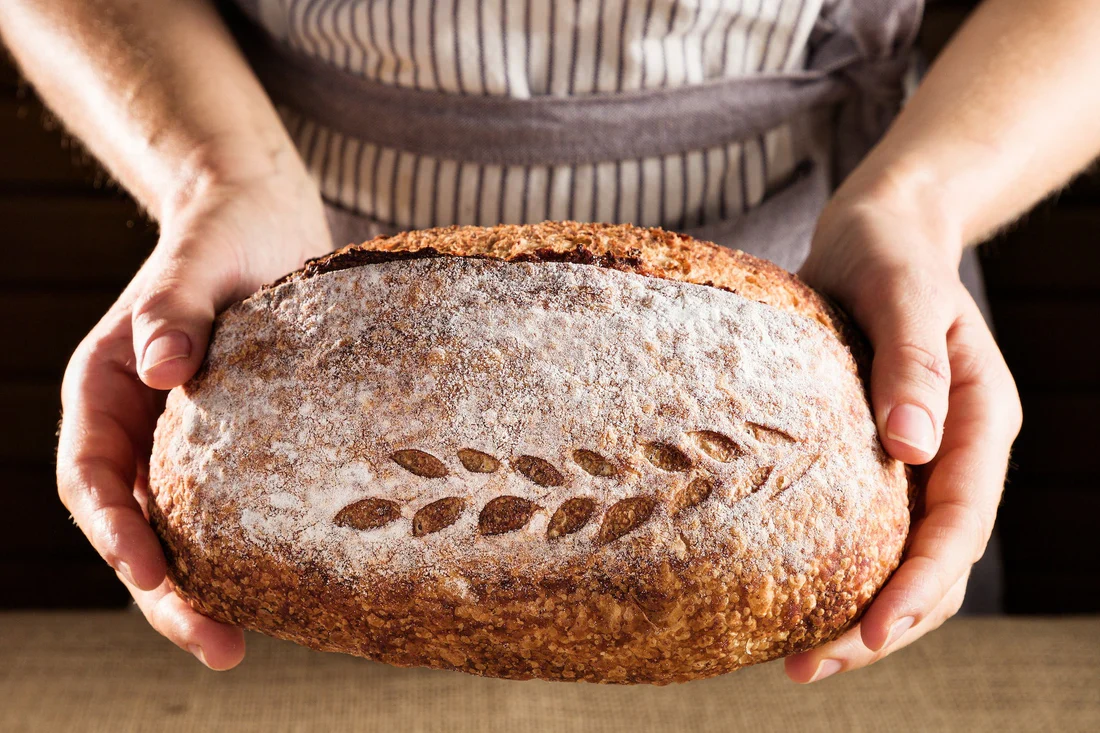
Breadmaking is a time-honored craft that combines science and artistry. Whether you’re a novice or an experienced baker, mastering the nuances of this process can transform simple ingredients into a beautiful, flavorful loaf. Here’s a guide to perfecting your bread-making skills, covering essential techniques from ingredient selection to baking.
Selecting Quality Ingredients
The foundation of great bread lies in its ingredients. Opt for high-quality flour, whether it’s all-purpose, bread flour, or whole wheat, as it greatly influences texture and flavor. Yeast is another critical component; fresh or active dry yeast works well, but ensure it’s not expired for optimal rising. Water should be clean and chlorine-free, as minerals can affect yeast activity. Lastly, salt enhances flavor and controls yeast fermentation, so use it wisely.
The Art of Kneading
Kneading is crucial for developing gluten, the protein that gives bread its structure and elasticity. For beginners, a standard technique involves folding and pushing the dough with the heel of your hand, then rotating it and repeating the process. This rhythmic motion should continue until the dough is smooth and elastic, usually about 10 to 15 minutes. Experienced bakers might experiment with stretch-and-fold methods, especially with wetter doughs like sourdough.
The Proofing Process
Proofing, or allowing the dough to rise, is vital for developing flavor and texture. After the initial kneading, place the dough in a lightly oiled bowl, cover it, and let it rest in a warm environment. The first rise, or bulk fermentation, typically lasts 1 to 2 hours or until the dough doubles in size. Punch down the dough gently to release gases, then shape it for the final proof, where it rises again before baking.
Baking to Perfection
Baking is the final step that transforms dough into bread. Preheat your oven to ensure it’s at the right temperature before baking. For artisan loaves, a steam-filled oven is beneficial as it creates a crisp crust. You can achieve this by placing a pan of water in the oven or using a spray bottle to mist the loaf. Baking times vary depending on loaf size and type; a hollow sound when tapping the bottom usually indicates doneness.
Exploring Bread Types
Different bread types offer unique flavors and textures:
- Sourdough: Known for its tangy flavor, sourdough relies on a natural fermentation process. Maintaining a vibrant starter is key, requiring regular feedings at room temperature.
- Whole Wheat: A healthier alternative, whole wheat bread is denser and more flavorful. It benefits from additional hydration and longer kneading to develop gluten sufficiently.
- Artisan Loaves: These are hand-crafted, rustic bread with a chewy crust and open crumb. Techniques, like autolyzing (a rest period after mixing flour and water), can enhance flavor and texture.
Tips for Success
- Temperature Control: Dough temperature affects yeast activity. Use a thermometer to ensure your water is between 90°F and 110°F for active dry yeast.
- Experiment with Flavors: Incorporate ingredients like seeds, nuts, or dried fruits to add complexity to your bread.
- Practice Patience: Rushing the proofing process can result in dense bread. Allow time for proper fermentation for the best results.
- Track Your Recipes: Keep a journal of your bread-making adventures. Note ingredient changes, proofing times, and baking temperatures to refine your technique.
- Embrace Mistakes: Each loaf is a learning experience, just like the best bakeries available in Utah. Analyze what went wrong and adjust accordingly.
Conclusion
Breadmaking is a rewarding endeavor that taps into both creativity and precision. By focusing on quality ingredients, mastering fundamental techniques, and experimenting with different bread types, you can craft loaves that not only satisfy your palate but also offer a sense of accomplishment. So roll up your sleeves, dust off your apron, and embrace the art of bread-making.
