

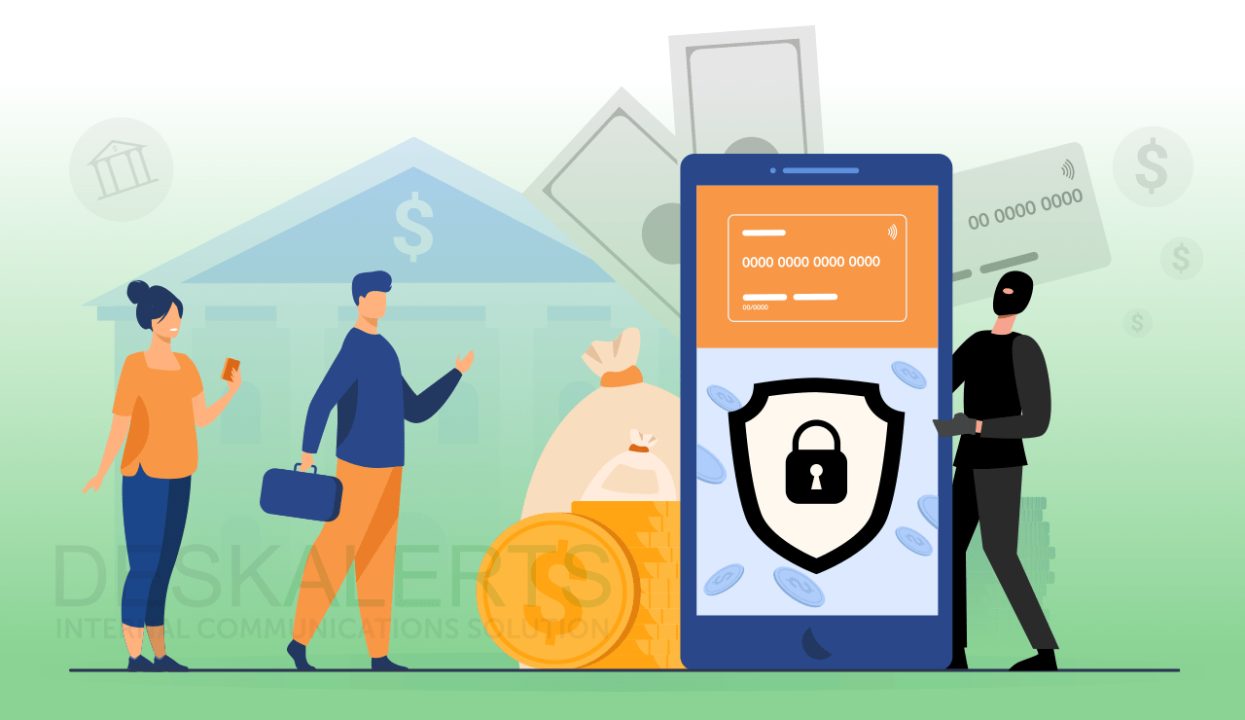
In today’s digital age, safeguarding customer data is one of the most critical responsibilities for banks. Banks must remain vigilant and proactive as cyber threats evolve and become more sophisticated. The consequences of a data breach are severe, including financial losses, legal repercussions, and a significant loss of customer trust. To stay ahead of cyber threats, banks must implement robust strategies that address every aspect of their operations. This article will explore these strategies, providing actionable insights on how banks can protect customer information effectively.
Understanding the Cyber Threat Landscape
The first step in protecting customer information is understanding the nature of the threats that banks face. Cyber threats targeting the financial sector are numerous and varied. Phishing attacks, where malicious actors trick individuals into revealing sensitive information, are alarmingly common. Ransomware attacks, which involve encrypting a victim’s data and demanding payment for its release, have also increased. Insider threats, where employees or contractors misuse their access to harm the organization, present an additional challenge.
The risks associated with these threats are not just financial. A data breach can severely damage a bank’s reputation, leading to a loss of customer trust that can be difficult to regain. Moreover, the adoption of emerging technologies, while beneficial, has also introduced new vulnerabilities. Understanding these threats is crucial for developing effective defenses.
Implementing Robust Security Measures
To protect customer data, banks must implement a range of security measures that are both robust and adaptive. Here are some essential strategies:
Encryption and Data Masking
Encryption is the cornerstone of data security. By encrypting data in transit and at rest, banks can ensure that even if cybercriminals gain access to their systems, the data they steal is unreadable. Data masking adds a layer of protection by obscuring sensitive information in non-production environments, such as testing or development, where it might otherwise be exposed.
Multi-Factor Authentication (MFA)
Multi-factor authentication (MFA) significantly reduces the risk of unauthorized access. By requiring users to verify their identity using multiple verification forms—such as a password, a phone, or a biometric scan—banks can make it much harder for cybercriminals to access customer accounts.
Regular Security Audits and Penetration Testing
Security audits and penetration testing are critical tools for identifying and addressing vulnerabilities. Regular security audits help ensure that security measures are up-to-date and effective. Penetration testing, which involves simulating attacks on the bank’s systems, can reveal weaknesses that might otherwise go unnoticed, allowing banks to strengthen their defenses before an attack occurs.
Employee Training and Awareness
Even the most advanced security measures can be undermined by human error. That’s why employee training and awareness are so necessary. Banks should regularly educate their employees on cybersecurity best practices, ensuring they understand how to recognize and respond to potential threats.
Establishing a culture of security within the organization is equally important. When employees understand the significance of their role in protecting customer data, they are more likely to follow protocols and report suspicious activity.
Advanced Technologies for Cyber Defense
As cyber threats continue to evolve, so must the technologies used to combat them. Advanced technologies like artificial intelligence (AI), machine learning (ML), and blockchain can play a pivotal role in enhancing cybersecurity.
Artificial Intelligence and Machine Learning
AI and ML can detect and respond to cyber threats in real-time. These technologies analyze vast amounts of data to identify patterns and anomalies that indicate a security threat. By implementing predictive analytics, banks can identify potential threats before they materialize, allowing them to take proactive measures.
Blockchain Technology
Blockchain technology offers promising applications in data protection. Its decentralized and immutable nature makes it highly secure, reducing the risk of data tampering or unauthorized access. Banks can explore using blockchain for secure and transparent transaction management, enhancing security and customer trust.
Document Management and Secure Information Handling
While digital security measures are crucial, banks must also pay close attention to how they handle physical and digital documents. Bank document management services ensure that sensitive information is organized, accessible, and secure. Effective document management is a key aspect of data protection that should not be overlooked.
Implementing Secure Document Management Systems (DMS)
A secure Document Management System (DMS) is essential for the safe storage, access, and retrieval of customer documents. A DMS should offer robust encryption and access control, ensuring only authorized personnel can view or modify sensitive information. Additionally, a DMS can track document access and changes, providing an audit trail that enhances security and compliance.
Best Practices for Document Handling
Banks must establish and enforce best practices for handling sensitive documents. This includes using secure methods for sharing and transferring documents, such as encrypted email or secure file transfer protocols. Regular audits of document handling practices help identify and mitigate risks.
Retention and Disposal Policies
Finally, banks must establish clear policies for the retention and disposal of customer information. Documents should be retained only as long as necessary and disposed of securely to prevent unauthorized access. Compliance with regulatory requirements is essential, and banks must stay updated on any changes to these regulations.
Customer Communication and Transparency
Transparency is critical to building and maintaining customer trust. Banks should communicate openly with customers about their data protection efforts, explaining how they safeguard information. In the event of a data breach, transparency becomes even more critical. Banks should have a clear plan to notify affected customers, address the breach, and take corrective actions.
Proactive communication reassures customers and demonstrates the bank’s commitment to their security. This can be a significant competitive advantage in an industry where trust is paramount.
Regulatory Compliance and Standards
Compliance with relevant regulations and standards is non-negotiable for banks. Regulations like the General Data Protection Regulation (GDPR), California Consumer Privacy Act (CCPA), and Payment Card Industry Data Security Standard (PCI DSS) impose strict requirements on how banks must protect customer information. Failure to comply can result in severe penalties and damage to a bank’s reputation.
Banks must ensure that their cybersecurity measures meet or exceed these regulatory standards. Regular reviews and updates to security practices are necessary to maintain compliance, especially as regulations evolve.
Conclusion
Protecting customer information is an ongoing challenge that requires constant vigilance and adaptation. Banks can stay ahead of cyber threats by understanding the cyber threat landscape, implementing robust security measures, training employees, leveraging advanced technologies, managing documents securely, communicating transparently with customers, and maintaining regulatory compliance.
The digital age has brought unprecedented opportunities but has also introduced new risks. Banks prioritizing cybersecurity will protect their customers and strengthen their position in an increasingly competitive market. In the end, a proactive approach to protecting customer information is not just about avoiding threats—it’s about building a foundation of trust that will support the bank’s success for years.
