

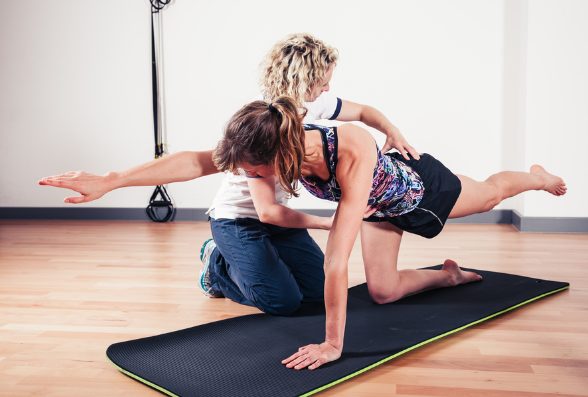
Pilates and physical therapy yoga are both mind-body exercises that encourage awareness of the body and tone muscles. The similarities between Pilates and yoga might make it challenging to determine which activity is best for you. Here are some things to keep in mind when deciding if Pilates or yoga will better help you achieve your health and wellness goals:
Pilates
The Pilates method is suitable for most people, including individuals with low fitness levels, pregnant women, and elite athletes. The exercise method was developed by Joseph Pilates, a German physical education advocate, in the early 1900s to promote daily exercise and help rehabilitate injured soldiers. It later became popular among dancers and gymnasts seeking to recover from injuries.
Today, health and wellness enthusiasts use Pilates to build core strength and improve postural alignment. The approach focuses on several small movements that target specific muscles. It emphasizes muscular exertion rather than building muscles. Each exercise starts with controlled breath to allow core muscles to contract and strengthen. Improving core muscles could enhance balance and flexibility, leading to reduced back pain, better sleep, and increased muscle tone.
Physical Therapy Yoga
Physical therapy yoga can be an effective approach to enhancing psychological and physical well-being. Like Pilates, yoga is a low-impact exercise that can positively impact physical, mental, and emotional health. When using yoga in physical therapy, a therapist merges yoga and functional movement to help clients achieve holistic wellness and balance between mind and body. Yoga in physical therapy often involves more than the postures and breathing techniques of traditional yoga. It prioritizes the following:
Mobility
Yoga and physical therapy incorporate safe and effective movements to increase mobility. This approach works for athletes, pregnant women, or anyone seeking to improve mobility. Trainers use yoga movements and poses that help retrain your body and brain to start moving better. This includes exercises that aim to realign your spine, shoulders, and lower back to improve posture. With improved posture, you’re more likely to improve your moving habits.
Strength
The approach guides you through targeted movement sequences and postural balances to increase muscle strength and endurance. Yoga encourages practitioners to hold static postures, building strength and flexibility in targeted muscles. Different yoga “flows” may focus on the back, core, or shoulders to address areas of muscle soreness to help re-energize the body.
Balance
Yoga physical therapy interventions can help clients improve balance and stability by focusing on posture and core integration. Yoga aims to align the skull, shoulders, and sacrum to improve balance and stability. With improved stability, body movements might become more fluid, and the risk of falling is often reduced.
Mind-Body Connection
Combining yoga and physical therapy creates harmony between the body and mind. This approach recognizes the relationship between physical health and mental well-being. Good physical health helps promote mental well-being and emotional resilience. Yoga might be beneficial in reducing psychological frustration, anxiety, or depression, increasing your overall health.
Pain Management
Integrating yoga into physical therapy can help manage pain from past injuries. The exercises help reduce muscle tension and promote overall relaxation to relieve pain. Functional movement through yoga could help improve joint mobility and prevent future injuries.
Transforming Your Body and Mind
Both Pilates and physical therapy yoga provide numerous wellness benefits to help practitioners achieve comprehensive physical and mental health. The Pilates method focuses on building strength, making this exercise suitable for many beginners. Using yoga in physical therapy is a beneficial way to manage pain and rebuild balance and mobility after an injury. Sign up for a Pilates or yoga class today to improve your mind-body balance.
