

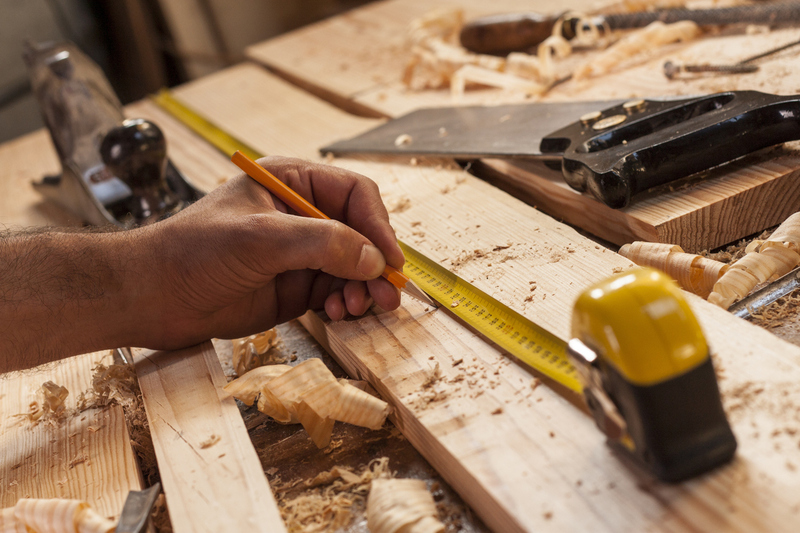
Woodworking is changing right now. Not slowly. It’s a sharp turn driven by people wanting furniture that doesn’t feel like it came from a warehouse. Mass production churns out sameness, cheap stuff that falls apart. The reaction is a huge demand for custom pieces with character, for real wood that lasts.
Technology didn’t kill this craft. It gave it a turbocharge. Today’s artisan works in a hybrid space where the computer screen glows next to the workbench. Sawdust on the keyboard. This is the new reality.
The New Era Of Woodworking: When Tradition Meets Technology
Craft tradition is still there; you can smell it in the shop. But it’s not separate anymore. The whole market moved. More clients need unique things, pieces with a story that flat-pack nonsense can’t tell. Tech makes answering that demand scalable for a small shop. Workshops everywhere now blend hand-cut joinery with digital precision; it’s just normal now. The skill set a woodworker needs today is totally different from twenty years back. You need to understand software and grain direction. That combo opens doors.
Why Custom Woodworking Is Surging Again
People want individuality. They’re bored with the same stuff everyone else has. They want solid wood that ages, not particleboard that swells. Furniture from a big box store has a trust problem. It looks cheap, and it breaks fast. In our automated world, something made slowly by hand feels more valuable, not less. It feels honest. That makes custom work a real competitor for clients who think long-term, who want heirlooms, not disposable goods.
Digital Design Tools Reshaping The Entire Workflow
Tools like CAD and 3D visualization didn’t just add a step. They blew up the old way of doing things. A maker can now show a client a photorealistic deck before a single post is set. They can walk through a virtual room, see the light hit the cabinets. This stops expensive mistakes cold. It saves a ton of material. Precision becomes a guarantee, not a hope. Clients get to tweak and approve everything in minute detail up front, which is huge for managing expectations. The main perks of going digital are:
- Faster prototyping and design adjustments,
- Clear communication with clients through detailed previews,
- Higher accuracy during planning and execution,
- Significant reduction of wasted material.
The process becomes a conversation, not a one-way street.
How Makers Use CAD To Execute Complex Ideas
CAD is for the ideas that keep you up at night. The wild curves, the crazy joints, the massive patterned wall. It makes the impossible repeatable and, frankly, billable. It turns “I wish” into a set of coordinates a machine can follow. Perfect symmetry on a curved chair leg? Done. Intricate inlay that repeats fifty times? No sweat. It gives control over complexity.
CNC, Laser Cutters, And The Rise Of Precision Woodworking
CNC routers and laser cutters got small and affordable. This changed the game completely for small shops. Suddenly, you have insane speed and perfect repeatability. You can cut shapes that would make a master hand-carver weep. The economics shift. You can do a short custom run without going broke. It allows for experimentation, for trying a wild design without a week of hand-carving on the line. These machines let you do stuff like:
- Perfect consistency across repeated parts,
- The ability to cut shapes impossible by hand,
- Faster turnaround for custom projects,
- More freedom for experimentation in design.
It’s like the shop gained a robotic assistant that never gets tired.
A New Standard For Small Workshops
This levels the playing field in a big way. A small shop with a savvy operator and a CNC can match the precision of a factory. That’s wild. It opens up jobs they’d never bid on before. High-end, complex work that demands perfect fits is now on the table. Modern workshops like El Pueblo Woodworking show how digital precision and traditional craftsmanship can coexist without losing the character of handmade work. The tech handles the brute-force precision, the human handles the soul. It’s a good partnership.
Advanced Hand Tools And The Return Of Skilled Craftsmanship
Funny thing. The tech didn’t make hand skills obsolete. It made them more critical. The standard for the final surface, the final fit, is astronomically high now. To meet it, tools got better too. Carbide blades that last forever, stupidly accurate sharpening jigs, cordless tools with crazy power. The craftsperson’s eye and feel are still the main event. A machine can dimension a board. Only a human can make it sing.
Balancing Human Skill With High-Tech Equipment
The magic is in knowing what tool to use and when. That’s the real skill now. Use the CNC to carve the perfect complex leg. Then use a hand scraper to tune the curve so it feels right under a palm. Let the machine handle the brutal math and the repetition. Save the human touch for the parts people actually see and feel. That’s where the value gets added.
Sustainability And The Shift Toward Eco-Friendly Woodworking
Clients ask about this now. Where does the wood come from? What’s in the finish? The answer involves FSC-certified lumber, reclaimed barn wood full of nail holes and history, and finishes that don’t stink up your house. Tech helps here, too. Software nests parts on a sheet of plywood to waste almost nothing. It’s smart. The key moves are:
- Responsible timber selection,
- Less waste through accurate digital measurements,
- Low-VOC finishes that support healthy indoor air,
- Reclaimed wood used for premium projects.
It’s good business, and it’s the right thing to do. Clients dig it.
How Woodworking Businesses Adapt To Rapid Tech Growth
Buying the machine is the easy part. You have to rebuild your workflow around it. Train your people. New safety rules. The smart shops use project software to track everything, from the first client email to the last coat of oil. The goal is to let the tech handle the tedious, repeatable stuff. That frees up the artisan for the work that actually needs a brain and a pair of experienced hands. The stuff clients pay a premium for.
What Efficient Adoption Looks Like
Don’t try to do everything at once. That’s a recipe for going broke and frustrated. Start with one thing. Maybe just start with CAD for drawings. Get good. Then maybe add a CNC for cutting joinery. Solve one actual problem in your shop at a time. Use the tech to make your life easier, not more complicated. If it doesn’t save time, improve quality, or make clients happier, what’s the point?
What Clients Gain From Technology-Enhanced Woodworking
The client wins big here. They get something built to a crazy level of precision, which means it lasts. The timeline is predictable. The process is transparent; they see 3D models, and they’re part of the conversation. But the biggest win? They get access to designs that were literally impossible before. Truly custom work that fits their weird space, their unique taste. They get a piece with machine-perfect structure finished with human warmth. That’s a special thing you can’t buy in a store.
The Business Side: Why Tech-Enabled Woodworking Is More Sustainable For Shops
There’s a part of this story that people outside the craft miss. Technology doesn’t just make prettier furniture. It keeps small shops alive. Margins in woodworking are thin. Time equals money in a brutally literal way. When the whole workflow depends on one person’s hands, the ceiling hits fast.
Tech pushes that ceiling higher. It cuts the dead hours, speeds up the boring steps, and lets shops take on jobs they would normally reject because the numbers didn’t make sense. It turns survival work into sustainable work.
How Technology Helps Small Shops Compete
A modern shop isn’t trying to replace its craft. It’s trying to stay competitive in a world where factory-made furniture shows up in two days with free shipping. That pressure is real. Technology gives small workshops the tools they need to fight back and carve out work that mass-market brands can’t touch. The benefits add up quickly and reshape the economics of the entire shop:
- More predictable turnaround times,
- Lower labor fatigue thanks to fewer repetitive tasks,
- The ability to price complex work accurately,
- Less risk when experimenting with ambitious designs,
- A clearer workflow that keeps both clients and makers aligned.
When a shop can trust its own process, everything tightens up. Fewer surprises. Fewer emergencies. Fewer nights spent redoing something because a measurement was off by a hair. Tech gives breathing room, and breathing room is how a business grows. It lets a small team punch above its weight without burning out. And it frees the craftsperson to spend time on the parts that actually matter, the places where judgment, feel, and experience still make all the difference.
Final Thoughts
The future isn’t machines or humans. It’s both. Working together. The technology handles precision and scale. The craftsman provides judgment, adaptability, and beauty. This hybrid model is a win for everyone. Clients get better, more personal objects. Makers get more creative freedom and a more viable business. The craft itself gets to evolve, to stay relevant. It’s not about replacing the old ways. It’s about giving them new tools to build a lasting future. The wood, the chip, the code. It all works.
