

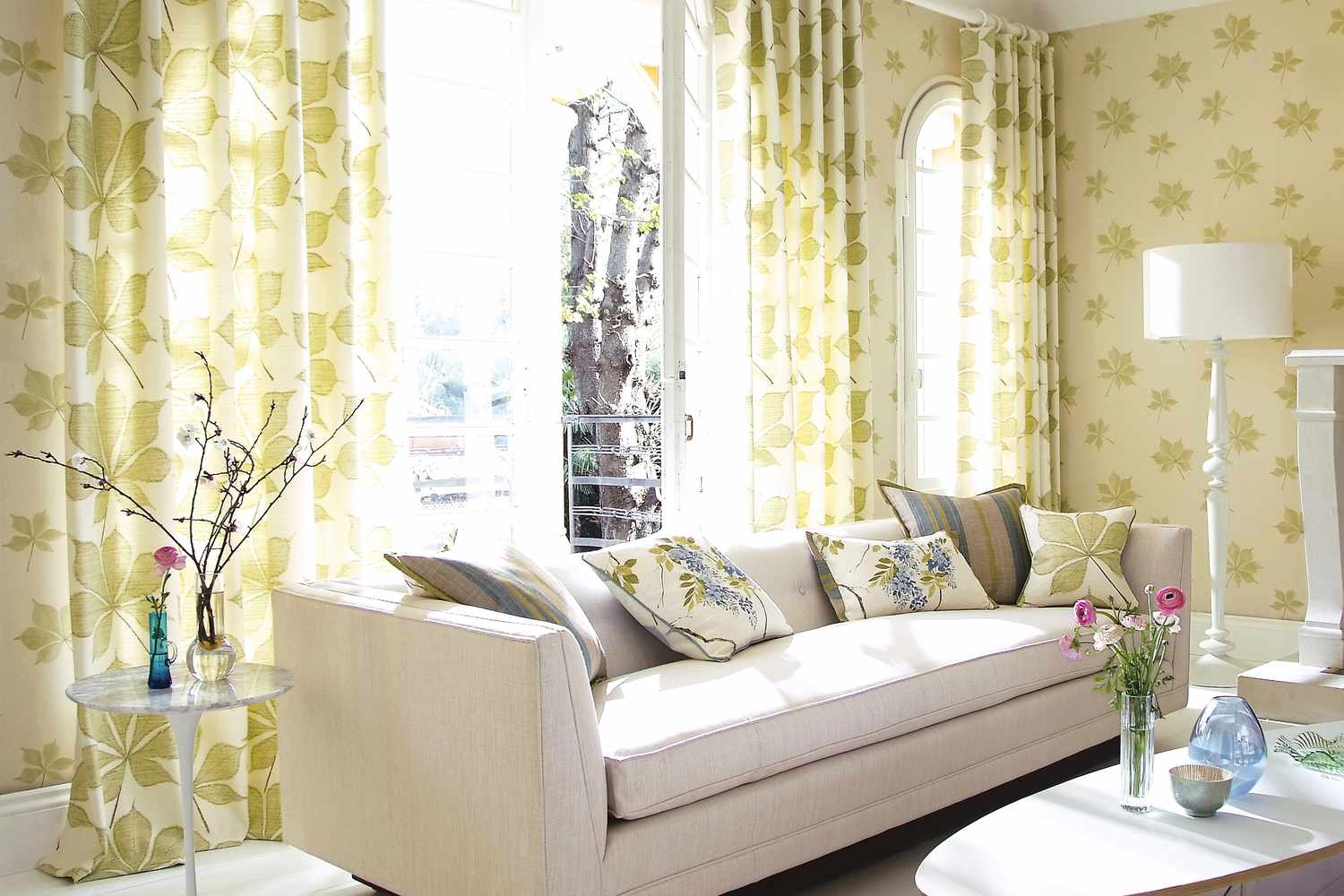
Curtains enhance the beauty of our homes and serve practical functions like controlling light, providing privacy, and even improving energy efficiency. With a vast array of styles, materials, and designs, selecting the right curtain can transform a room’s aesthetic and functionality. In this guide, we’ll explore the different types of curtains, their specific uses, and tips for choosing the perfect option for your space.
Types of Curtains
Panel Pairs
Panel pairs are the most traditional type of curtains, consisting of two separate curtain panels that hang on either side of a window. This versatile style works well in any setting, from modern to rustic. You can draw them closed for privacy and light control or leave them open to frame a beautiful view.
Single Panel Curtains
Single-panel curtains are made from one piece of fabric designed to cover the entire window. This style offers a sleek, modern look and is ideal for smaller windows or where a minimalistic design is preferred. They can be tied back to one side for asymmetrical elegance.
Window Tiers
Window tiers are used primarily in kitchens and bathrooms where privacy is needed without sacrificing natural light. They cover only the lower half of a window and are often paired with a valance or top tier for a coordinated look.
Valances
Valances are short curtains that hang at the top of windows to conceal curtain rods and hardware. They are often combined with other curtain types to add depth and layering to the window’s decor. Valances can also stand alone to add a touch of decorative flair without blocking light.
Curtain Materials
Cotton
Cotton is a versatile fabric with a crisp, clean feel. It’s perfect for a casual or traditional setting, easy to wash, and available in various prints and patterns.
Velvet
Velvet curtains are rich and luxurious, making them popular for formal living rooms, dining areas, and bedrooms. They are excellent for insulation and blocking out light.
Linen
Linen offers any room a light, airy feel, ideal for a rustic or relaxed atmosphere. While it allows natural light to penetrate, linen curtains still provide privacy.
Silk
Silk curtains add a touch of luxury and elegance. They are typically more delicate, best used in areas that won’t be frequently handled, and often require professional cleaning.
Blackout Curtains
Blackout curtains are designed to block out light and provide maximum privacy. They are ideal for bedrooms, nurseries, or any room where controlling light is essential.
Special Curtain Types
Thermal Curtains
Thermal curtains are designed to provide insulation by keeping heat in during the winter and out during the summer. They can help reduce energy costs and are available in various styles and materials.
Sheer Curtains
Best sheer curtains are perfect for spaces where you want to maintain an open, airy feel while diffusing light softly and providing a basic level of privacy. They are often used in living rooms and bedrooms where a cozy, inviting atmosphere is desired.
Choosing the Right Curtains
Determine the Function
Before choosing a curtain, consider its primary function. Are you looking to block light in a bedroom, or are you more interested in a purely decorative piece for the living room? Understanding the primary function will guide your material and style choice.
Consider the Material
Each material offers different benefits, from silk‘s elegance to cotton’s practicality. Consider factors like ease of maintenance, how well they block light, and whether they need to provide insulation.
Match Your Decor
Curtains should complement the room’s decor. Classic styles like panel pairs in neutral tones work well in most settings, while bold patterns or luxurious materials like velvet can make a statement in a formal room.
Measure Correctly
Always measure your windows before purchasing curtains to ensure a perfect fit. For proper coverage and fullness, curtains should typically be more extended and broader than the actual window.
Installation Height
Hanging curtains higher than the window can give a sense of height to the room. Designers often recommend hanging curtains about six inches above the window frame, but you can go even higher for a more dramatic effect.
Layering
Consider layering curtains for a richer look and improved functionality. Pairing opaque curtains with sheer panels can provide versatility in light control and privacy, allowing you to adjust the layers depending on the time of day and your needs.
Curtains are an integral part of home decor that can drastically affect a room’s style and functionality. Whether you choose elegant drapes in luxurious velvet or light and breezy sheer curtains, the proper selection can enhance your living space beautifully. Remember to consider aesthetic and practical needs to find the perfect curtains for your home.
