

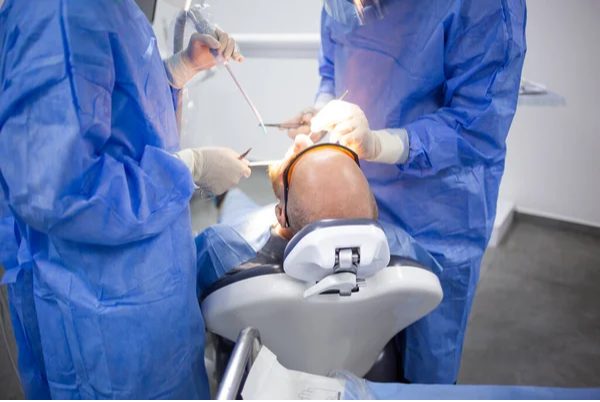
Wisdom tooth surgery is a common dental procedure that many people undergo during their late teens or early adulthood. The wisdom teeth, or third molars, are the last set of teeth to develop, usually emerging between the ages of 17 and 25.
While some individuals have no issues with their wisdom teeth, others experience problems that necessitate their removal. This article explores everything you need to know about wisdom tooth surgery at FDC, including reasons for the procedure, the surgical process, recovery, and potential risks.
Why Wisdom Teeth May Need Removal
Wisdom teeth may need to be removed for several reasons:
Impaction: This occurs when the wisdom teeth do not have enough space to emerge properly, leading them to grow at an angle or remain trapped within the jawbone. Impacted wisdom teeth can cause pain, swelling, and infection.
Crowding: When there isn’t sufficient room in the mouth for the wisdom teeth to emerge, they can push other teeth out of alignment, leading to crowding and potential orthodontic issues.
Decay and Gum Disease: Wisdom teeth are located at the back of the mouth, making them difficult to clean properly. This can lead to tooth decay and gum disease.
Cysts and Tumors: Although rare, cysts or tumours can form around impacted wisdom teeth, leading to damage to the surrounding bone and teeth.
Preparing for Wisdom Tooth Surgery
Preparation for wisdom tooth surgery involves several steps:
Consultation: The process begins with a consultation with a dentist or oral surgeon, who will review your dental history and take X-rays to assess the position and condition of your wisdom teeth.
Pre-Surgery Instructions: Your dentist or oral surgeon will provide you with pre-surgery instructions, which may include fasting if general anaesthesia is to be used, and arranging for transportation home after the procedure.
The Surgical Process
Wisdom tooth surgery is typically performed in a dental office or outpatient surgical centre. Here’s what to expect during the procedure:
Anaesthesia: The type of anaesthesia used depends on the complexity of the surgery and patient preference. Options include local anaesthesia (numbing the area around the teeth), sedation anaesthesia (administered through an intravenous (IV) line to make you drowsy), or general anaesthesia (making you unconscious during the procedure).
Incision and Removal: The oral surgeon will make an incision in the gum tissue to expose the tooth and bone. The tooth may be divided into sections to facilitate removal.
Cleaning and Suturing: After removing the tooth, the surgeon will clean the site of any debris from the tooth or bone. The wound is then stitched up, and gauze is placed over the extraction site to control bleeding.
Recovery and Aftercare
Recovery from wisdom tooth surgery varies from person to person, but generally includes the following stages:
Immediate Post-Surgery: You will spend some time in the recovery room if you have sedation or general anaesthesia. Once you are stable, you can go home, often with someone to drive you.
Managing Pain and Swelling: Pain and swelling are common after the procedure. Your dentist or surgeon will prescribe painkillers and may recommend applying an ice pack to the face to reduce swelling.
Diet and Oral Hygiene: Stick to soft foods and avoid hot drinks for the first few days. Maintain oral hygiene by gently rinsing your mouth with salt water, but avoid brushing the surgical sites directly for the first 24 hours.
Follow-Up: A follow-up appointment may be scheduled to ensure proper healing and to remove stitches if non-dissolvable stitches were used.
Potential Risks and Complications
As with any surgical procedure, wisdom tooth surgery carries some risks and potential complications:
Infection: Signs of infection include fever, severe pain, swelling, and discharge from the surgical site.
Dry Socket: This occurs when the blood clot that forms in the extraction site is dislodged or dissolves before the wound heals, exposing the bone and nerves. It can be very painful and may require additional treatment.
Nerve Injury: Nerve injury can result in temporary or, rarely, permanent numbness in the tongue, lips, or chin. This is more common when lower wisdom teeth are removed.
Sinus Issues: Upper wisdom tooth removal can lead to sinus problems if the tooth roots are close to the sinuses.
Tips for a Smooth Recovery
To ensure a smooth recovery after wisdom tooth surgery, consider the following tips:
Follow Post-Operative Instructions: Adhere to your dentist’s or surgeon’s aftercare instructions carefully to minimize the risk of complications.
Rest: Give yourself plenty of time to rest and avoid strenuous activities for a few days.
Stay Hydrated and Eat Soft Foods: Drink plenty of fluids and eat soft foods like yoghurt, mashed potatoes, and soup.
Avoid Tobacco and Alcohol: Refrain from smoking and drinking alcohol, as they can impede the healing process and increase the risk of complications.
Conclusion
Wisdom tooth surgery is a common procedure that can prevent future dental problems and alleviate existing issues. Understanding the reasons for removal, the surgical process, recovery, and potential risks can help you prepare for the procedure and ensure a smooth recovery. If you suspect you have issues with your wisdom teeth, consult with your dentist or oral surgeon to discuss the best course of action.
