

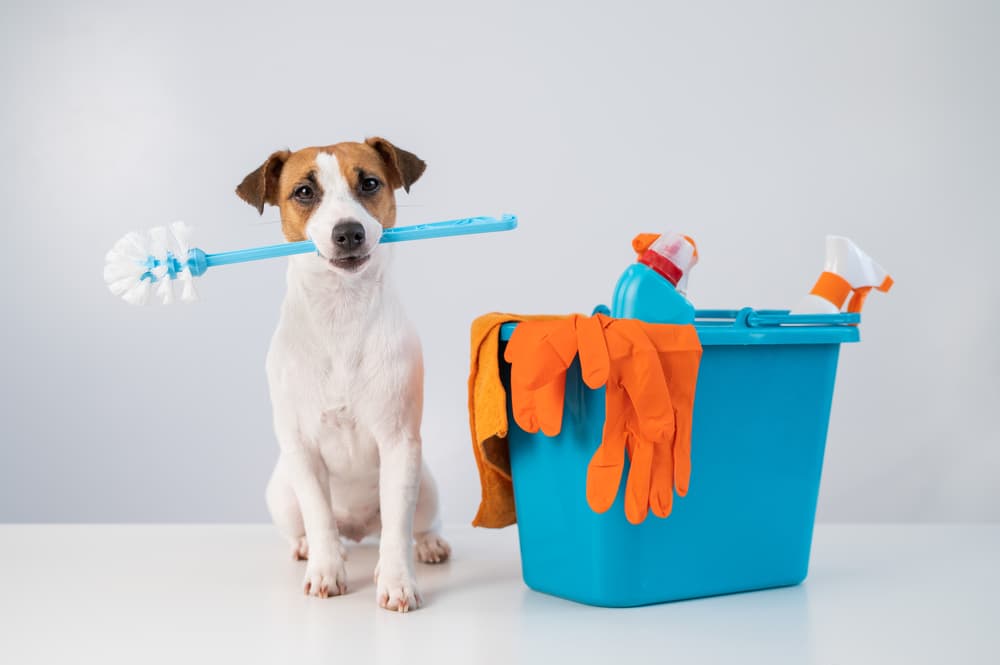
The Challenge of a Pet-Friendly Home
Living with pets brings a kind of joy that’s hard to put into words — but it also means waging a near-constant battle against hair, dander, and the dirt that follows animals in from the outdoors. These aren’t just cosmetic problems. Left unaddressed, they can meaningfully degrade indoor air quality and affect the health of everyone in the household. A solid cleaning routine begins with the right equipment: vacuums and specialized pet vacuums are the backbone of any pet owner’s toolkit, but they deliver the best results when paired with a broader, consistent strategy — one that tackles pet-related mess at every level, not just the visible surface.
Understanding Pet-Related Messes and Their Impact
Pets introduce household debris in several distinct ways:
- Fur and hair shedding that settles on furniture, carpets, and clothing
- Dander — microscopic skin flakes ranging from 2.5 to 10 microns in size
- Tracked-in dirt from time spent outdoors
- Saliva and urine residue, both of which can carry potent allergens
Leading allergy health organizations consistently rank pet dander among the most stubborn indoor allergens, capable of triggering respiratory symptoms and aggravating conditions like asthma. Because of its microscopic size, dander can remain suspended in the air long after a pet has left the room — making it especially difficult to manage without deliberate intervention.
Key Takeaway: Pet dander can linger in the air for months if not addressed through regular cleaning and proper air filtration.
Essential Cleaning Strategies for Pet Owners
Daily Maintenance Routines
Small, consistent habits tend to make the biggest difference over time. Brushing your pet every day — especially during peak shedding seasons — dramatically cuts down on the amount of hair and dander released into your living spaces. Keeping lint rollers near sofas and entryways makes spot-cleaning fabrics quick and effortless. Designating pet-free zones, such as bedrooms, helps contain debris and shields the areas where allergy sufferers spend the most time resting and recovering.
Weekly Deep Cleaning Protocols
Once a week, wash all pet bedding on a high-heat cycle. Temperatures above 130°F (54°C) effectively neutralize dust mites and break down the proteins in dander. On hard floors, wet mopping traps fine particles rather than sending them back into the air. For carpeted surfaces, steam cleaning is particularly effective — high-temperature steam penetrates deep into fibers, neutralizing allergen proteins that routine surface cleaning often misses entirely.
Selecting the Right Tools and Techniques
Matching the right tool to each surface is what separates thorough allergen removal from simply moving debris around:
| Tool Type | Best For | Key Features
|
|---|---|---|
| Brushes & Rollers | Furniture & Clothes | Quick removal of loose hair |
| Wet/Dry Mops | Hard Floors | Traps dirt without spreading |
| Powered Suction Devices | Carpets & Upholstery | Deep extraction of embedded debris |
For fine airborne particles like dander, HEPA filtration remains the gold standard. These filters capture particles as small as 0.3 microns — far beyond what standard filtration can achieve. Industry cleaning guidelines specifically recommend HEPA-rated devices for households with allergy-prone occupants.
Top 5 grooming hacks to reduce shedding at the source:
- Brush pets outdoors whenever possible to prevent hair from dispersing inside
- Use a de-shedding tool during high-shedding seasons
- Keep to a consistent bathing schedule suited to your pet’s breed
- Support coat health with a diet rich in omega-3 fatty acids
- Schedule professional grooming appointments on a regular basis
Advanced Tips for Long-Term Home Hygiene
Air purifiers equipped with HEPA filters complement surface cleaning by continuously capturing airborne dander between sessions. Laundry additives formulated to neutralize pet allergens can further boost the effectiveness of regular washing cycles. During heavy shedding periods, increasing the frequency of cleaning — rather than the intensity — tends to produce more consistent results. One anonymized case study found that a family with two shedding dogs reduced allergy symptoms by approximately 50% through a combined routine of daily brushing, weekly steam cleaning, and continuous air purification. The takeaway was clear: sustained habits consistently outperform the occasional deep clean.
Building Sustainable Habits for a Pet-Friendly Clean Home
Long-term cleanliness in a pet-friendly home isn’t really about perfection — it’s about consistency. Weaving grooming, smart tool selection, and targeted cleaning protocols into your regular schedule transforms what can feel like an overwhelming task into something genuinely manageable.
Pet-Proof Clean Week Checklist:
– [ ] Brush pets daily and dispose of collected hair promptly
– [ ] Vacuum carpets and upholstery using HEPA filtration
– [ ] Wash all pet bedding on a high-heat cycle
– [ ] Damp-mop hard floors to trap fine particles
– [ ] Wipe down surfaces with microfiber cloths
– [ ] Clean or replace air purifier filters
– [ ] Sanitize pet feeding areas and sleeping spots
These habits do more than keep your home looking tidy — they actively protect your household’s health, creating an environment where both people and pets can genuinely thrive.
