

Electrical safety is a critical aspect of home maintenance that often goes overlooked until a problem arises. With the increasing number of electrical devices and appliances in modern homes, ensuring electrical safety has never been more important. Proper understanding and implementation of safety measures can prevent accidents, protect your home, and save lives. This article provides essential tips and tools to help you maintain electrical safety in your home.
1. Understanding Your Home’s Electrical System
Before diving into safety tips, it’s important to have a basic understanding of your home’s electrical system. Your home’s electrical system includes the main service panel, wiring, outlets, switches, and circuit breakers. The main service panel is the control center, distributing electricity from the utility company to various circuits in your home. What’s a circuit breaker? Circuit breakers are designed to protect your home by interrupting the flow of electricity if there is an overload or short circuit.
2. Regular Inspection and Maintenance
Regular inspection and maintenance of your electrical system are essential for identifying potential issues before they become major problems. Here are some steps you can take:
-
Inspect Outlets and Switches: Look for signs of wear and tear, such as cracks, discoloration, or buzzing sounds. Replace any damaged outlets or switches immediately.
-
Check for Loose Connections: Loose connections can cause arcing, leading to fires. Make sure all wiring connections are secure.
-
Examine Cords and Plugs: Frayed or damaged cords and plugs should be replaced to prevent electrical shocks and fires.
-
Test Ground Fault Circuit Interrupters (GFCIs): GFCIs protect against electrical shocks by shutting off power when a ground fault is detected. Test them monthly to ensure they are functioning correctly.
3. Use of Proper Tools and Devices
Using the right tools and devices is crucial for maintaining electrical safety. Here are some essential tools and devices to consider:
-
Voltage Tester: A voltage tester helps you check whether an outlet or wire is live before working on it, preventing accidental shocks.
-
Multimeter: A multimeter measures voltage, current, and resistance, providing valuable information about the condition of your electrical system.
-
Wire Strippers: These tools are essential for safely stripping the insulation from wires without damaging the conductors.
-
Surge Protectors: Surge protectors safeguard your electronic devices from voltage spikes, which can damage sensitive equipment.
-
Arc Fault Circuit Interrupters (AFCIs): AFCIs detect dangerous arcing conditions and shut off power to prevent fires.
4. Safe Use of Electrical Appliances
Electrical appliances are an integral part of daily life, but they can also pose safety hazards if not used correctly. Follow these tips to ensure safe use of appliances:
-
Read and Follow Manufacturer’s Instructions: Always read the instruction manual and follow the recommended usage guidelines.
-
Avoid Overloading Circuits: Plugging too many devices into a single outlet can overload the circuit, leading to overheating and potential fires. Use power strips with built-in circuit breakers to prevent overloads.
-
Unplug Unused Appliances: When not in use, unplug appliances to reduce the risk of electrical shock and save energy.
-
Keep Appliances Away from Water: Water and electricity don’t mix. Ensure that appliances are kept away from sinks, bathtubs, and other water sources.
-
Regularly Clean and Maintain Appliances: Dust and debris can accumulate in appliances, causing them to overheat. Regularly clean and maintain your appliances to ensure they operate safely.
5. Educating Your Family on Electrical Safety
Educating your family about electrical safety is crucial, especially if you have young children. Here are some key points to teach:
-
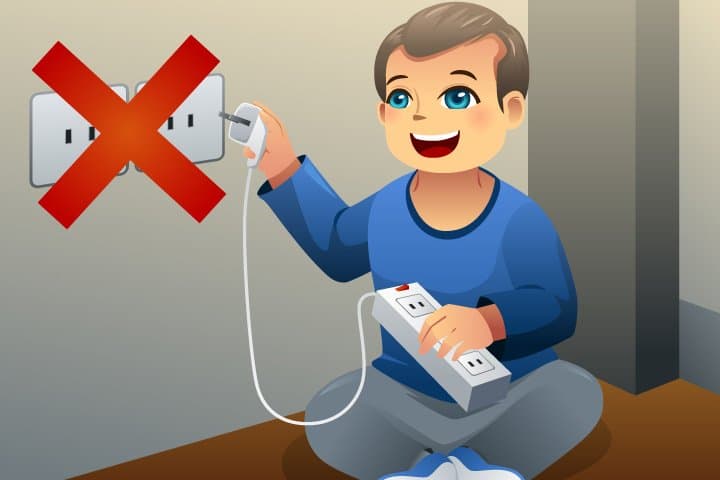
Never Insert Objects into Outlets: Teach children never to stick objects into electrical outlets. Use outlet covers to prevent accidental insertions.
-
Avoid Pulling Cords: Always unplug appliances by pulling the plug, not the cord, to prevent damage.
-
Keep Away from Electrical Hazards: Children should be taught to stay away from electrical hazards, such as exposed wires and electrical equipment.
-
Recognize Warning Signs: Make sure everyone in the household knows the warning signs of electrical problems, such as flickering lights, buzzing sounds, or burning smells, and understands the importance of reporting these issues immediately.
6. Upgrading to Energy Efficient Homes
Energy efficient homes not only reduce your carbon footprint but also enhance electrical safety. Modern energy-efficient homes are designed with advanced insulation, energy-efficient windows, and sustainable building materials. They often include smart electrical solutions that contribute to a safer living environment. For example, smart thermostats and lighting systems can be programmed to turn off when not in use, reducing the risk of overheating and electrical fires.
7. Handling Electrical Repairs Safely
While some minor electrical repairs can be safely handled by homeowners, others require professional intervention. Follow these guidelines to determine when to call a professional:
-
Know Your Limits: If you’re not confident in your ability to safely perform an electrical repair, it’s best to hire a licensed electrician.
-
Turn Off Power: Before performing any electrical work, turn off the power at the main service panel to prevent accidental shocks.
-
Use Proper Safety Gear: Wear insulated gloves and use tools with insulated handles to protect yourself from electrical shocks.
-
Follow Codes and Regulations: Ensure that all electrical work complies with local building codes and regulations to guarantee safety and legality.
8. The Importance of Surge Protection
Power surges can damage your electrical appliances and devices, potentially leading to costly repairs or replacements. Surge protectors are essential for safeguarding your electronics from sudden voltage spikes. Here’s how to implement surge protection in your home:
-
Whole-House Surge Protectors: These devices are installed at the main service panel and provide protection for your entire home’s electrical system.
-
Point-of-Use Surge Protectors: These are plug-in devices that protect individual appliances and electronics, such as computers and televisions.
-
Regular Inspection: Check surge protectors periodically for signs of wear or damage, and replace them as needed to ensure continued protection.
9. Implementing a Home Electrical Safety Plan
Creating a home electrical safety plan ensures that everyone in your household knows how to respond to electrical emergencies. Here’s what to include in your plan:
-
Emergency Contact Information: List emergency contact numbers, including your local electrician, utility company, and emergency services.
-
Safety Procedures: Outline steps to take in case of an electrical emergency, such as a power outage or electrical fire.
-
Location of Safety Equipment: Ensure everyone knows where to find safety equipment, such as fire extinguishers and the main service panel.
-
Regular Drills: Conduct regular safety drills to practice responding to electrical emergencies.
10. Investing in Professional Electrical Inspections
Professional electrical inspections provide a thorough assessment of your home’s electrical system, identifying potential hazards and ensuring compliance with safety standards. Here’s why regular inspections are important:
-
Identify Hidden Issues: Professional electricians can detect issues that may not be visible to the untrained eye, such as wiring problems or overloaded circuits.
-
Ensure Compliance: Inspections ensure that your electrical system complies with local building codes and regulations, providing peace of mind and legal protection.
-
Preventative Maintenance: Regular inspections allow for preventative maintenance, addressing potential issues before they become major problems.
Conclusion
Ensuring electrical safety in your home requires a proactive approach, including regular inspections, proper use of tools and devices, safe appliance use, and educating your family. By implementing these essential tips and tools, you can create a safer living environment and protect your home from electrical hazards. Remember, when in doubt, always seek professional assistance to ensure that your home’s electrical system is safe and up to code.
