

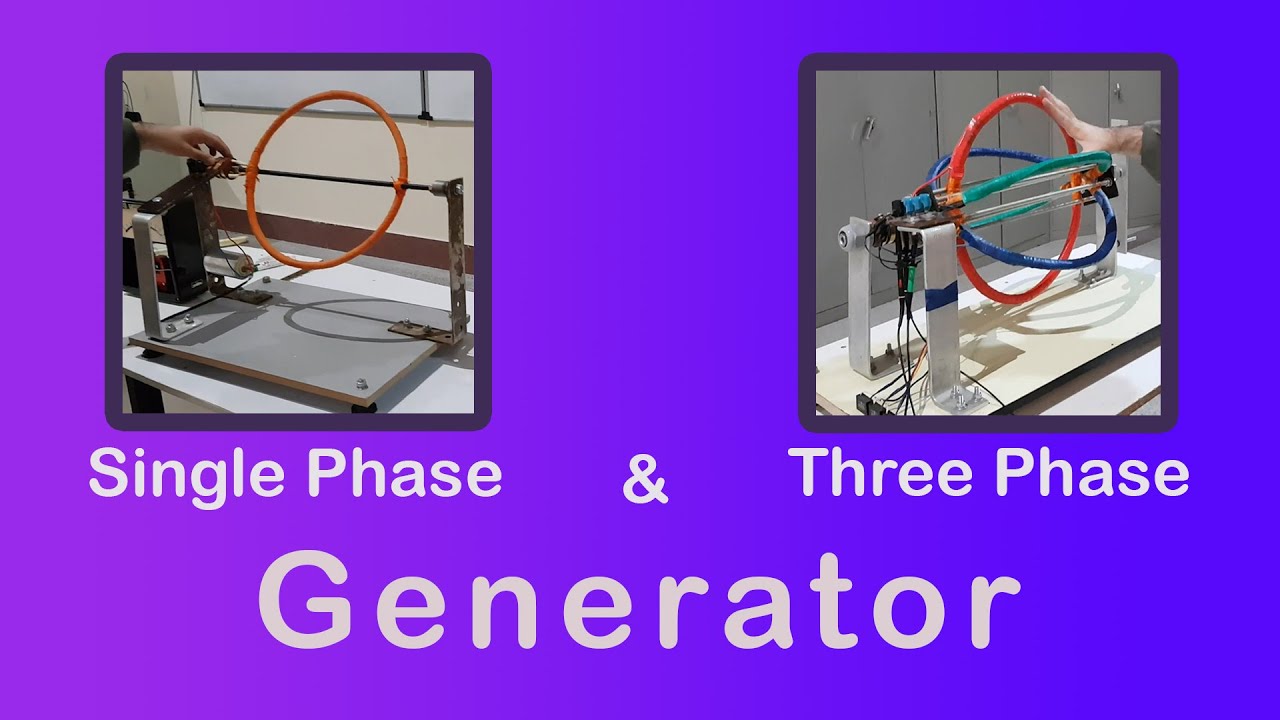
For a variety of situations, including residences and small enterprises, single phase generators are essential power sources. When the primary power source fails or in places where there is no connection to the grid, these devices reliably deliver electricity. Having a basic understanding of a single phase generator will enable you to choose wisely when it comes to power backup solutions. Let’s look at five important things to think about when using these practical gadgets.
-
The Basics of Single Phase Power
The majority of houses and small businesses have a typical electrical system with single phase electricity. Compared to three-phase systems, it requires less complicated wiring, which makes it perfect for lower power requirements. This kind of electricity is produced by single phase generators, which simulate the power that comes from your wall outlets.
These generators produce an electron flow by revolving a magnetic field around a wire coil.
Alternating current (AC) electricity, required by the majority of electronics and home appliances, is produced via this technique. Gaining an understanding of this basic idea will help you understand how these generators work and why they are appropriate for light business and domestic use.
2. Power Output and Capacity
One of the most important things to take into account when choosing a single phase generator is its power output. This decides how many devices you can operate at once and is usually expressed in watts or kilowatts. There are several sizes of generators, ranging from little portable machines to massive standby types.
You must determine how much power you need in order to select the appropriate size. Make a list of all the necessary equipment and gadgets that you would require to function in the event of a power outage. Total the watts needed for them, taking into account the beginning and operating watts needed for motors. You can determine the minimum generator capacity you’ll require by looking at this sum. It’s usually a good idea to go a little bit larger in order to account for unforeseen power demands or future needs.
3. Fuel Types and Efficiency
Fuel types for single phase generators vary, and each offers advantages of their own. Diesel, propane, and natural gas, as well as gasoline are typical fuel choices. The effectiveness, cost of operation, and environmental effect of the generator may all be impacted by the fuel you use.
Although gasoline generators are frequently the least expensive up front, prolonged use can be expensive. If you have a consistent supply of fuel, propane along with natural gas generators can be more convenient and have a cleaner burning characteristic. Diesel generators are renowned for being strong alongside effective, which qualifies them for heavy-duty or extended use. Selecting the right fuel type for your purposes requires taking into account a number of criteria, including storage, and long-term expenses, in addition to fuel supply.
4. Portability vs. Standby Options
There are two primary types of single phase generators: standby and portable. Portable generators are versatile and may be placed anywhere electricity is required. They work well in emergencies, and outdoor activities, in addition to infrequent use. They do, however, usually require manual setup and have lesser power outputs.
Conversely, standby generators are permanently placed and linked to your electrical system. When the primary power source fails, they can start up automatically as well as provide higher power outputs. Standby generators, despite their higher initial cost, offer smooth power transfer and are the best option for places where power outages occur frequently or for those who need constant electricity. Your particular demands, your financial circumstances, along with the degree to which continuous power is essential will all influence your decision between standby and portable power.
5. Maintenance and Safety Considerations
When you need your single phase generator to work dependably, proper maintenance is essential. It’s crucial to do routine fuel system inspections, and air filter replacements, as well as oil changes. Even if you don’t need it, it’s crucial to sometimes operate the generator to maintain all of the parts in excellent operating condition.
When using any generator, safety comes first. Use generators in well-ventilated spaces at all times to avoid the development of carbon monoxide. Make sure the generator is dry as well as weatherproof. Use a transfer switch when connecting to your home’s electrical system to avoid backfeeding, which can endanger utility personnel. Utilising a generator safely and effectively may be ensured by adhering to local laws and the manufacturer’s instructions.
Conclusion
Single-phase generators are useful equipment for sustaining electricity in a variety of circumstances. You may choose the ideal generator for your purposes by being aware of its fundamental functioning, power output requirements, fuel alternatives, portability options, alongside maintenance requirements. The appropriate single phase generator may offer peace of mind as well as dependable electricity when you need it most, whether you’re planning for crises, powering a remote site, or guaranteeing business continuity.
