

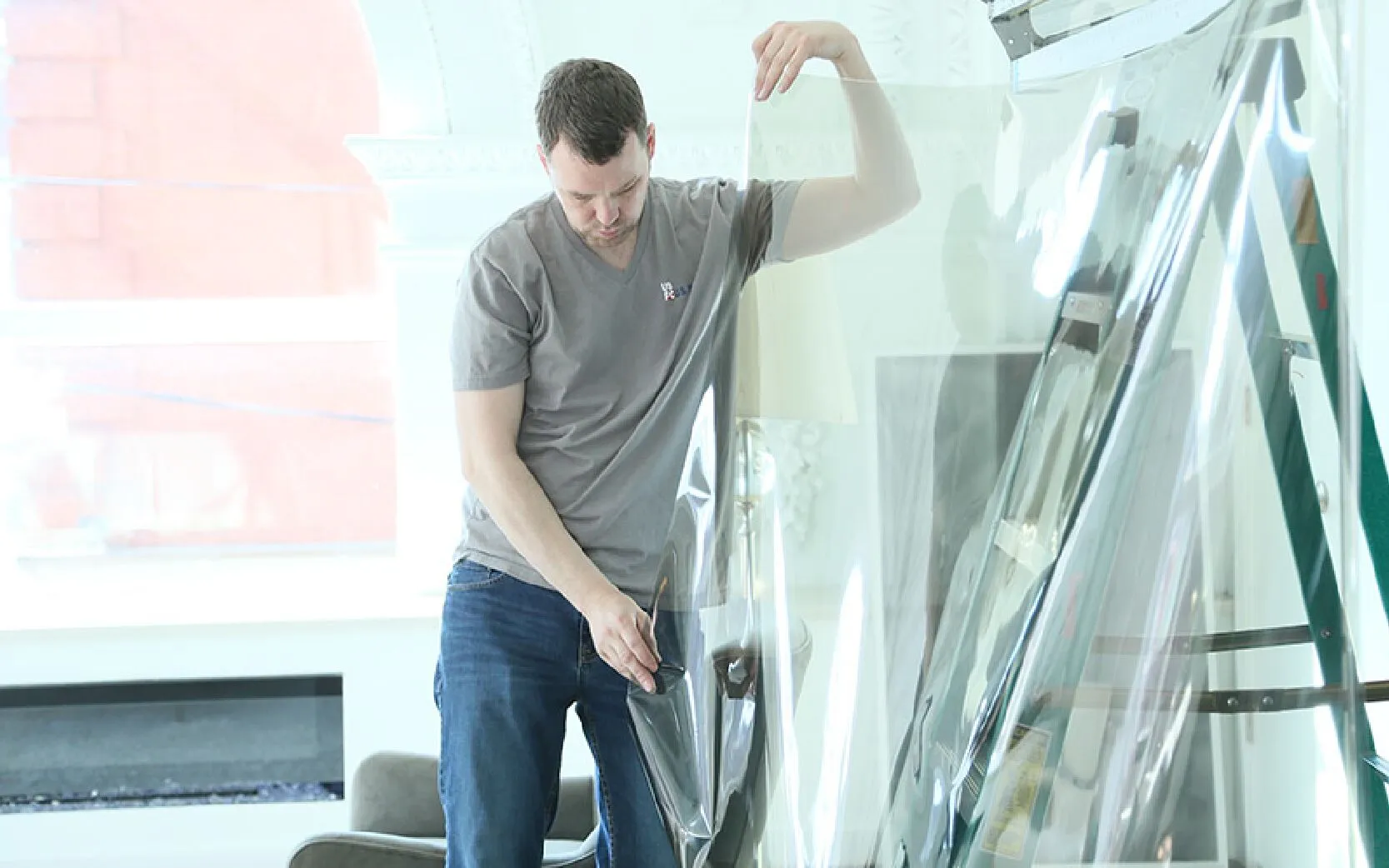
As homeowners and business owners seek ways to improve energy efficiency, privacy, and safety, window film has become an increasingly popular solution. Window film offers a versatile and effective way to address various needs without the need for new windows or extensive renovations. In this article, we’ll explore the different types of window film available, their benefits, and considerations to help you make an informed choice for your property.
Types of Window Film
1. Solar Control Film
Solar control films are designed to reduce heat and glare from the sun. They work by reflecting a significant portion of solar energy before it passes through the window glass. This can be particularly beneficial in rooms that receive a lot of direct sunlight, helping to keep interiors cooler and reducing the need for air conditioning. Additionally, solar control films can help to prevent fading of furniture, flooring, and other interior elements by blocking harmful UV rays.
2. Privacy Film
Privacy films are typically frosted or tinted, making it difficult for people outside to see inside while still allowing light to pass through. These films are ideal for bathrooms, ground-floor rooms, or office spaces where privacy without the loss of natural light is essential. There are various styles and designs available, from simple frosted films to decorative patterns that can add an aesthetic touch to your windows.
3. Security and Safety Film
Security and safety films are thicker than standard window films and are designed to hold shattered glass in place. This can help to prevent injuries from flying glass shards in the event of an accident or break-in. These films can also provide an added layer of protection against forced entry, making it more difficult for would-be intruders to break through the glass. Safety films are often used in commercial settings, schools, and homes to enhance security and ensure compliance with safety regulations.
4. Decorative Film
Decorative films are used to enhance the appearance of windows with patterns, colours, and textures. They can transform ordinary glass into a work of art without the expense of replacing the glass itself. Decorative films can be used in both residential and commercial spaces to add character and uniqueness to any window or glass surface. These films are available in a wide range of designs, from geometric patterns to stained glass effects.
5. Anti-Graffiti Film
Anti-graffiti films are designed to protect glass surfaces from vandalism and graffiti. They act as a sacrificial layer that can be easily removed and replaced if defaced, saving the underlying glass from damage. This type of film is particularly useful in public areas, transportation hubs, and commercial properties where graffiti can be a recurring problem. Installing anti-graffiti film can save significant costs in glass replacement and maintenance.
Benefits of Window Film
Energy Efficiency
One of the primary advantages of window film is its ability to improve energy efficiency. By blocking a portion of solar heat, window film helps to maintain a consistent indoor temperature, reducing the strain on heating and cooling systems. This can lead to lower energy bills and a reduced carbon footprint, making window film an eco-friendly choice.
UV Protection
Window films can block up to 99% of harmful UV rays, which are responsible for fading and damage to furnishings, artwork, and flooring. By protecting interiors from UV exposure, window films can help to prolong the life of your possessions and maintain the appearance of your space.
Enhanced Privacy and Security
Whether you need to prevent outsiders from looking in or want to reinforce your windows against breakage, window film offers enhanced privacy and security. Privacy films provide a simple yet effective solution for areas where discretion is needed, while security films add an extra layer of protection against impacts and intrusion.
