

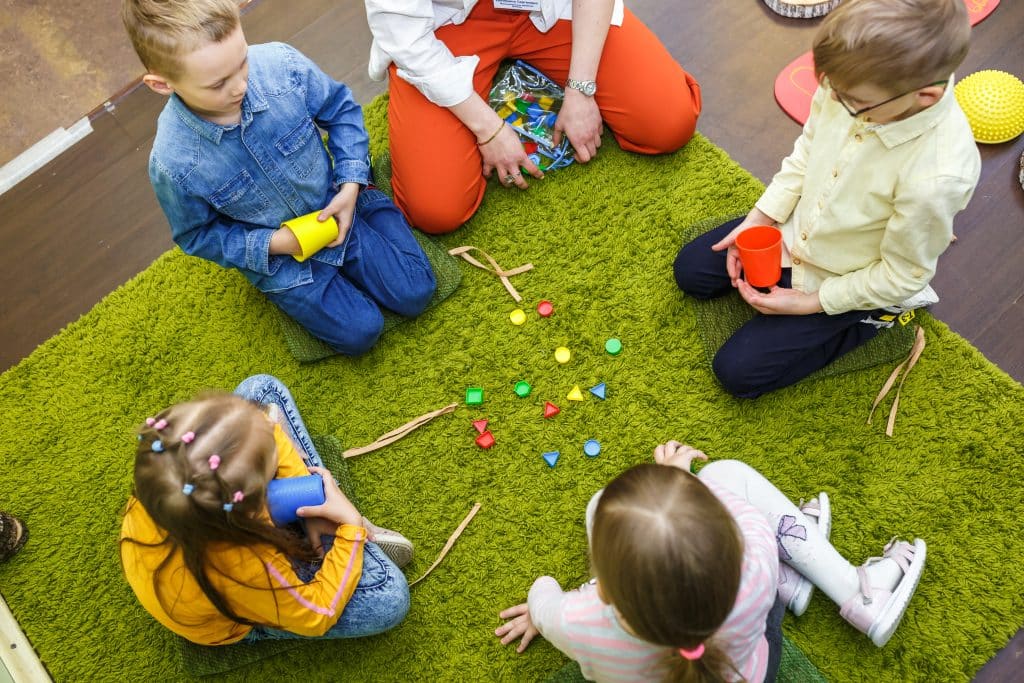
Watching a toddler engage in play is truly magical. It’s more than just fun—it’s a fundamental part of their development. Through play, toddlers explore the world, learn new skills, and build the foundation for their future. This blog will uncover the significance of play in early childhood development, providing insights into how it shapes the cognitive, social, emotional, and physical aspects of a child’s growth. Parents will find practical tips to foster an enriching play environment at home, supported by educational toys that enhance the experience. Let’s embark on this playful journey together!
The Cognitive Benefits of Play for Toddlers
Play is a crucial tool for cognitive development in toddlers. It acts as a window to a world full of learning opportunities, sparking curiosity and imagination. When toddlers play, they experiment with cause and effect, leading to better problem-solving skills. For example, when stacking blocks, they learn about balance and gravity. These simple activities nurture their ability to think critically and make decisions.
Furthermore, play enhances memory and concentration. Engaging in activities like matching games or simple puzzles helps improve their focus and recall abilities. These skills are foundational for academic success later on. By regularly participating in play, toddlers also develop language skills. During pretend play, for instance, they practice new words and phrases, expanding their vocabulary and communication skills.
Incorporating structured playtime in environments can further boost cognitive skills. Day care centers, like those in Sandy, often provide a variety of activities that challenge and stimulate young minds. When children interact with peers and teachers in these settings, their cognitive abilities are continually being tested and expanded. This combination of structured and free play creates a rich tapestry for cognitive growth.
Social and Emotional Development Through Play
Play is a powerful catalyst for social and emotional growth in toddlers. Through play, they learn to express themselves, manage emotions, and develop empathy. Imagine a group of toddlers playing together; they must negotiate roles, share toys, and resolve conflicts. These interactions teach them the art of cooperation and the value of teamwork.
In addition, play helps toddlers understand and process their emotions. When they engage in role-playing, they often mimic adult behaviors and explore different emotional scenarios. This practice equips them with the tools to handle real-life situations, fostering emotional resilience. It’s through play that they learn to cope with frustration, joy, and disappointment.
Social play can significantly boost social skills. In such environments, children are exposed to diverse personalities and backgrounds. This diversity enriches their social understanding and prepares them for future interactions. They also learn to respect others’ perspectives, enhancing their ability to form meaningful relationships.
The Physical Development and Motor Skills Improvement
Play is not just about fun; it also promotes physical development in toddlers. Activities like running, jumping, and climbing are essential for building strength, coordination, and balance. When toddlers engage in active play, they develop gross motor skills that are crucial for everyday tasks.
Fine motor skills are also honed through play. Simple activities like drawing, stacking blocks, or playing with playdough enhance hand-eye coordination and dexterity. These skills lay the groundwork for more complex movements needed for writing and self-care routines like dressing themselves.
Outdoor play provides ample opportunity for physical development. With access to playgrounds and open spaces, toddlers can explore and challenge their physical limits in a safe environment. This exposure not only strengthens their bodies but also instills a love for physical activity, encouraging a healthy lifestyle from an early age.
Practical Tips for Parents to Encourage Play at Home
Creating a play-friendly environment at home is vital for a toddler’s development. One simple tip is to designate a specific area for play, ensuring it’s safe and free from hazards. This space allows toddlers to explore freely and express their creativity without restrictions.
Parents can enhance playtime by introducing a variety of toys and materials. It’s important to include items that stimulate different senses and skills. For instance, puzzles and building blocks encourage problem-solving and fine motor skills, while musical instruments promote auditory exploration and rhythm.
Incorporating play into daily routines can also be beneficial. Simple activities like cooking or gardening together can turn everyday tasks into playful learning experiences. Encouraging pretend play, such as acting out stories or creating imaginary worlds, fuels creativity and strengthens emotional connections between parents and children.
The Role of Educational Toys in Enhancing Play and Learning
Educational toys are invaluable tools that enhance play and learning. They are designed to target specific skills and developmental milestones, making playtime both fun and enriching. For example, shape sorters and counting games introduce toddlers to basic math concepts, while alphabet puzzles lay the groundwork for early literacy.
These toys often come with multiple levels of difficulty, allowing for gradual learning and skill-building. This adaptability ensures that toddlers remain engaged and challenged, preventing boredom. Additionally, educational toys often encourage interactive play, promoting social skills as children play together and learn from one another.
When selecting educational toys, consider those that align with your toddler’s interests and developmental stage. Many day care centers incorporate such toys into their curriculum, recognizing their value in promoting holistic development. By choosing the right educational toys, parents can support their child’s growth and learning in a playful, enjoyable manner.
Conclusion
Play is an essential component of early childhood development, impacting cognitive, social, emotional, and physical growth. By understanding the importance of play and incorporating it into daily routines, parents can nurture their toddler’s development effectively. Whether through structured activities or spontaneous adventures, play provides a solid foundation for future learning and success. We encourage you to share your own experiences and insights on the power of play in the comments section below, as we continue to learn and grow together in this exciting journey of parenting.
